
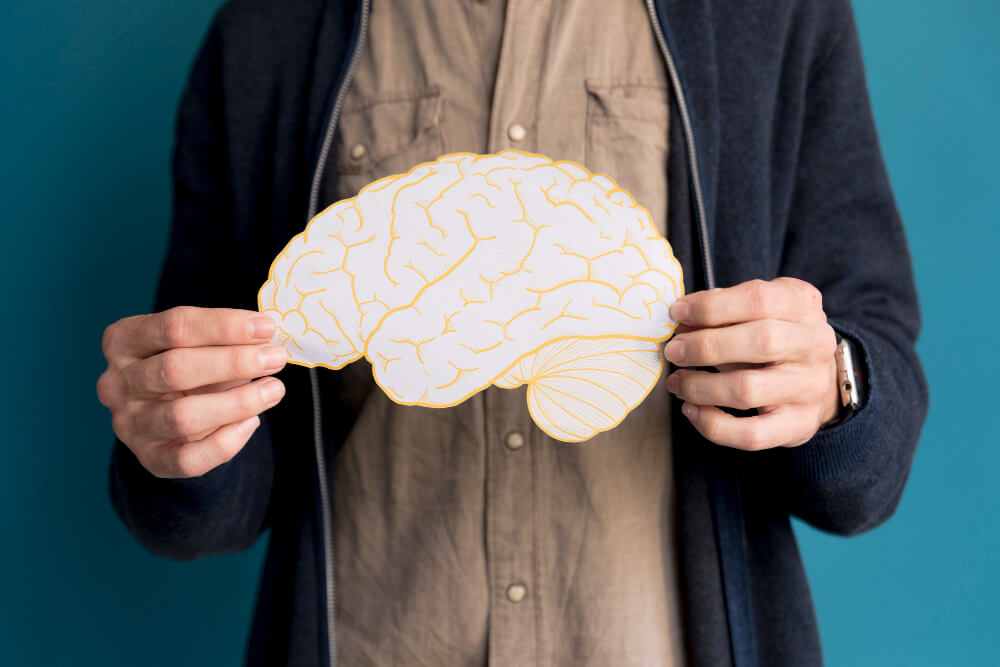
Acquired brain injury is any injury or damage to the brain that occurs after birth. This is a term that covers all situations that result in injury to the brain post birth. An acquired brain injury can be a result of a stroke, tumor, blunt force trauma, brain hemorrhage, an infection in the brain (encephalitis), concussion to name a few.
Traumatic brain injury (TBI):
This is a brain injury that occurs from a forceful bump, blow, knock, or jolt to the head or body. It can even be caused by a foreign object piercing your skull and entering your brain.
There are two broad types of head injuries:
- Penetrating (open TBI): This is when an object pieces the skull and enters the brain. Normally the damage to the brain, in this instance, is quite localised, depending on the object and nature of how the injury occurred.
- Non penetrating (closed or blunt TBI): This is caused when a sudden external force causes damage to the brain within.
The types of injuries seen in TBI cases are either primary or secondary:
- Primary: damage is immediate
- Secondary: symptoms/damage occurs gradually over time. This is the result of reactive processes that occur after the initial brain injury.
Symptoms and difficulties that arise from an ABI can sometimes be temporary in nature and can improve over a period of time or people can be left with long term or permanent disability following an ABI.
ABi is often referred to as a “hidden disability” as the symptoms and disabilities experienced are not always obvious to those around them. The consequences of ABI are complex and wide ranging, individuals are all affected differently and this needs to be taken into account during treatment.
Physical problems commonly reported by people with ABI:
- Headaches
- fatigue,
- Seizures
- poor balance
- reduced coordination
- visual and hearing disturbances
- chronic pain
- paralysis
Non-physical problems often reported include but are not limited to:
- poor memory and concentration
- reduced ability to plan and problem solve
- inflexible thinking
- Difficulty processing and producing verbal and/or written communication
- psychosocial/emotional problems: such as depression, emotional instability, irritability, and impulsive or inappropriate behavior
Patients suffering from an ABI often report difficulties with a wide range of areas and therefore can often present as quite complex
REFERENCES:
National Institute of Neurological Disorders and Stroke (NNDS), 2024. Traumatic Brain Injury. [online] Available at: https://www.ninds.nih.gov/health-information/disorders/traumatic-brain-injury-tbi
[accessed 4 June 2024]
[accessed 4 June 2024]